

Auteur : Andrea Gonzales – Février 2014
phD
Key points
- Itch is a key component of canine atopic dermatitis (CAD) that can have a significant impact on the quality of life for the pet as well as for the owner, but the mechanisms involved in triggering itch are not clearly understood.
- Increasing evidence suggests a synergistic interaction between the nervous system and the immune system within the skin, and these interactions likely participate in the pathobiology of pruritic skin diseases.
- T-cell cytokine imbalance exists in the skin of atopic dogs.
- Several T-helper 2 (Th2) cytokines have been associated with pruritus based on phenotypes observed with transgenic mouse models, e.g., interleukin (IL) 4, IL-13, and IL-31.
- IL-31 is a recently discovered cytokine secreted from Th2 lymphocytes and skin homing T cells that has been implicated in pruritic skin conditions in humans such as atopic dermatitis.
- Our lab has evaluated the role of IL-31 in canine pruritus and has observed the following under experimental conditions:
- IL-31 can be secreted by Th2-polarized peripheral blood mononuclear cells (PBMCs) isolated from allergen-sensitized dogs.
- Injection of canine IL-31 can induce pruritus in purpose-bred beagles.
- The investigational compound oclacitinib (Pfizer Animal Health), a selective Janus kinase inhibitor, can inhibit the pruritogenic effects of IL-31 in dogs, suggesting that this agent could be an effective treatment for pruritic allergic skin diseases.
Pathobiology of canine atopic dermatitis
Canine atopic dermatitis is defined as a genetically predisposed inflammatory and pruritic allergic skin disease with characteristic clinical features associated with immunoglobulin E (IgE) antibodies most commonly directed against environmental allergens. Recently, the definition has been modified to include the concept of extrinsic versus intrinsic causes of atopic dermatitis (AD). Although each cause leads to similar clinical presentations, extrinsic forms of AD are believed to be triggered by external allergens, and IgE antibodies to environmental allergens are readily detected in the animal. Intrinsic forms (atopic-like) are likely caused by internal dysfunction not necessarily related to IgE, and IgE response to environmental allergens cannot be documented in the animal.
A generally well accepted hypothesis for the pathogenesis of extrinsic AD is as follows: Initial penetration of allergens via defective or damaged skin barrier results in the activation of innate immune cells such as resident Langerhans cells. Langherhans cells function as antigen-presenting cells and activate the adaptive immune system, leading to Th2 cytokine production (e.g., IL-4, IL-5, IL-13, and IL-31). Th2 cytokines create a microenvironment that perpetuates skin barrier dysfunction and promotes allergen-specific IgE (ASIgE) production. ASIgEs then bind to cells such as mast cells and basophils via cell surface Fce receptors
During subsequent exposures to allergens, these IgE-primed cells will release a variety of substances, such as histamine, neuropeptides, cytokines, and chemokines. These agents can activate and polarize T lymphocytes toward a Th2 phenotype, cause vasodilation, and also recruit additional immune cells into the skin, all of which perpetuate the cycle of itch and chronic inflammation. T-helper type 1(Th1) responses can also be seen within the skin, particularly in the chronic phase where cytokines such as interferon γ (IFN-γ) and tumor necrosis factor α (TNF-α) commonly can be found. These cytokines may be present due to the increased susceptibility to skin infections seen in dogs with CAD or possibly due to the efforts of Th1 cytokines to counteract the effects of Th2 cytokines, as cytokines from one type can negatively regulate the activity of the other type in an attempt to restore proper immune balance.2-4
The pathogenesis of intrinsic AD is not as well defined, but it is becoming more clear that genetic defects in skin barrier and immune cell function/regulation may play a large part in the production of clinical signs associated with this form of AD (Figure 1).5
Neuroimmune Interactions in Pruritus
Itch is a key component of CAD that can have a significant impact on the quality of life for the pet as well as for the owner. Unfortunately, the underlying pathways and mechanisms involved in triggering itch or pruritus are less clear, hampering the development of effective treatments with anti-pruritic activity. Work performed in mouse, rat, and non-human primate models suggests that itch and pain sensations are transmitted by distinct neurons. The itch signals are detected through relevant “itch” receptors present on cutaneous itch-selective sensory nerves residing in the epidermis and dermis. The signals then travel along unmyelinated C nerve fibers and are received by the dorsal root ganglia (DRG) and the lamina I region within the dorsal horn of the spinal cord. The itch signal finally reaches the brain through spinothalamic tract neurons.6-8
Increasing evidence suggests a synergistic interaction between the nervous system and the immune system within the skin.9,10 Resident immune cells such as mast cell, Langerhans cells, and transient immune cells present during inflammation (e.g., granulocytes, T lymphocytes) intimately associate with nerve fibers. When such immune cells are activated, they can release substances such as neuropeptides (e.g., histamine, substance P), cytokines (e.g., IL-31), and neurotropins (e.g., nerve growth factor, NGF) that can bind directly to receptors on sensory nerves to cause activation, sensitization, and sprouting of nerve cells. Similarly, activated nerves can release neuropeptides (e.g., substance P, calcitonin gene-related protein, CGRP) and neurotropins (e.g., NGF) that can modulate immune cells and their responses during inflammation. As a result of the complex innervations of the skin with sensory nerve fibers, immune cells and sensory nerves clearly communicate with one another, regulate each other’s activity, and likely participate synergistically in the pathophysiology of pruritic skin diseases (Figure 2).
Cytokine Networks in Atopic Dermatitis
Cytokines represent a class of secreted signaling proteins that play a role in cell-to-cell communication. Numerous Th2 cytokines (e.g., IL-4, IL-13, IL-5, IL-31, IL-10) and Th2-promoting cytokines (IL-25, thymic stromal lymphopoietin, TSLP) have been implicated in the pathogenesis of human AD over the years,11-13 which has triggered investigations into their role in CAD.
Work by several groups showed that T-cell cytokine imbalance does exists in atopic dogs. One study clearly observed one fourth of atopic canine skin samples exhibiting a polarized type-2 profile14; however, mixed Th1-Th2 cytokine profiles were also seen.14-16 Specifically, elevated levels of Th2 cytokines such as IL-4, IL-13, and IL-5 mRNA were seen in non-lesional and lesional atopic dog skin compared with skin from healthy control dogs. In addition, IFN-γ and TNF-α transcripts were elevated in the skin of many atopic dogs, suggesting a mixed Th1-Th2 cytokine profile can be found, similar to what is seen in human AD.14-16 In an experimental model using atopy patch testing in house dust mite-sensitized, high-IgE beagles, cytokine transcripts of IL-6, IL-13, IFN-γ, and IL-18 could be observed further supporting a mixed Th1-Th2 cytokine profile in the skin.17 Observing changes in cytokine transcripts is encouraging; however, continued evaluation of additional cytokines as well as protein
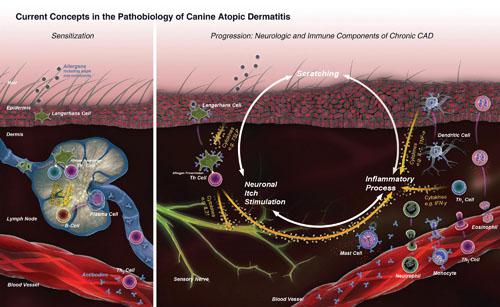
Figure 1 : Pathobiology of canine atopic dermatitis.
Based on research in dogs and humans with atopic dermatitis, the current pathobiology of the disease starts with percutaneous exposure and absorption of allergens through an epidermis that may have a defective barrier function.
A (left) : Sensitization.
The naive Langerhans cell (LC) captures and internalizes allergens. Allergens are then processed, packaged in major histocompatibility complex molecules on the LC surface, and presented to naive T helper (Th0) cells in the draining lymph node. Specific cues from the microenvironment enable dendritic cells to activate T-helper cells and polarize them towards a Th2 phenotype where they produce cytokines such as IL-4 and IL-13. These cytokines can stimulate B cells to become plasma cells that begin producing allergen-specific IgE (ASIgE). Activated Th2 cells migrate to the skin with the help of chemokines produced by various cells in the skin, such as thymus and activation regulated chemokine (TARC). ASIgEs also enter into the circulation and other tissues and bind to cells expressing high and low affinity Fcε receptors on their cell surface.
B (right) : Progression.
Upon re-exposure to the same allergen the epidermal LC with cell surface bound ASIgE efficiently binds allergen and migrates to the dermis. Once there the ASIgE+ LC cells “present” the allergen to T-helper lymphocytes and continue to polarize them toward a Th2 phenotype. Additional Th2 cytokines such as IL-31 can be released and activate the sensory neuron to induce pruritus. Allergens can also cross link ASIgE bound on the cell surface of dermal mast cells and stimulate the release of pre-formed inflammatory mediators such as histamine, serotonin, and substance P along with cytokines such as eosinophil chemotactic factor (ECF). Skin injury by scratching, microbial toxins from staphylococci and Malassezia, or environmental allergens activates keratinocytes and other innate immune cells to release proinflammatory cytokines (e.g., IL-12) and chemokines that can polarize T-helper cells toward a Th1 phenotype where they produce cytokines such as IFN-γ. In turn, IFN-γ promotes monocyte/macrophage cell activation. Activated keratinocytes, monocytes, and mast cells produce additional pro-inflammatory cytokines such as TNF-α, upregulating the expression of P-selectin, and E-selectin, on endothelial cells, thus recruiting more leukocytes from the blood. The epidermis thickens as does the stratum corneum, the barrier function continues to deteriorate allowing increased allergen penetration, and the cycle is perpetuated.
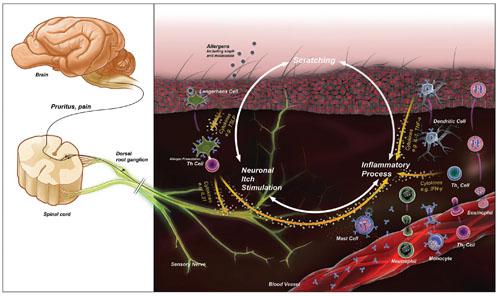
Figure 2 : Role of cutaneous itch-selective neurons in the skin.
During inflammation, a variety of itch mediators such as cytokines, chemokines, and neuropeptides are released into the microenvironment by immune cells in close proximity to primary afferent nerves in the epidermis and dermis. The itch mediators are detected through relevant “itch” receptors present on cutaneous itch-selective sensory nerves. The signals then travel along unmyelienated C nerve fibers and are received by the dorsal root ganglia (DRG) and the lamina I region within the dorsal horn of the spinal cord. The itch signal finally reaches the brain through spinothalamic tract neurons and affects regions of the brain involved in pruritus.
In addition, peripheral nerve endings can stimulate immune cells as well as neighboring afferent nerves, a process known as axon reflex, by releasing neuropeptides (e.g., substance P, calcitonin gene-related protein, CGRP) and neurotropins (e.g., NGF). These mediators can modulate immune cells and their responses during inflammation as well as directly trigger vascular responses in the skin.2012 Symposium Proceedings Allergic Skin Disease
levels of biologically active cytokines in CAD is needed to better understand the role of cytokine imbalance in the pathobiology of CAD.
Th2 Cytokines Implicated in Pruritus
Elevated Th2 cytokine transcripts can be found in atopic dogs, and their potential to communicate with the peripheral nervous system is an interesting concept to consider. Several Th2 cytokines have been associated with pruritus based on phenotypes observed with transgenic mouse models. When IL-4, IL-13, or IL-31 is overexpressed in transgenic mice, animals develop several of the hallmarks of AD including increased inflammatory cell infiltration into the skin as well as pruritic dermatitis.12,18
IL-4 is a cytokine that has been shown to be produced by T cells, mast cells, basophils, and eosinophils.19 This cytokine exerts its activity via a heterodimeric receptor complex that consists of IL-4Rα and the IL-13 Rα1 subunit or the common γ-chain (γc).20 IL-4 can regulate immunoglobulin class switching in B cells and can induce polarization of T cells toward a Th2 phenotype. IL-4 also plays a central role in allergic inflammation and asthma by enhancing the expression of FcεRI, the high affinity receptor that binds allergen-specific IgE on a variety of immune cells. IL-4 can also induce proliferation, survival and/or chemotaxis in many cell types such as lymphocytes, mast cells, basophils, and eosinophils, key players in allergy.21,22 The mechanism through which it induces itch in mice is unclear but may in part be due to its activity on mast cells, basophils, eosinophils, and/or lymphocytes that can release pruritogenic mediators.
IL-13 is a cytokine secreted by T cells, mast cells, basophils, and eosinophils and can produce many of the effects seen with IL-4 because they both bind and activate cells via the IL-4Rα/IL-13 Rα1 heterodimeric receptor. IL-13, however, is thought to have more potency toward the receptor. One important difference between IL-13 and IL-4 is that IL-13 does not polarize or expand Th2 lymphocytes, likely due to the lack of IL-13 Rα1 chain expression in those cells. In several models of asthma, IL-13 (and IL-4) is thought to affect cells in addition to immune cells, particularly epithelial cells (e.g., keratinocytes and bronchial epithelial cells) and smooth muscle cells.21-23 The mechanism through which IL-13 produces itch is unclear but may be similar to the role of IL-4.
Of greatest interest is IL-31, a recently identified cytokine implicated in pruritic skin conditions in humans such as atopic dermatitis. IL-31 has been found in humans to be produced by activated Th2 lymphocytes and by cutaneous lymphocyte-associated antigen (CLA)-positive skin homing T cells in AD patients and is preferentially elevated in pruritic versus non-pruritic human skin conditions. Furthermore, serum levels of IL-31 are detected in AD patients and correlate with disease severity in adults as well as children with AD.24-30
IL-31 binds to a heterodimeric receptor consisting of the IL-31 receptor A and the oncostatin-M receptor β. These receptors are found on a variety of cells, such as keratinocytes, macrophages, and eosinophils, and participate in regulating immune responses in these cell types.31-33 Interestingly, these receptors have been found on a subset of small-sized nociceptive neurons of adult mouse and human dorsal root ganglia,24,34 suggesting that this cytokine can directly activate pruritogenic signals in peripheral nerves.
Pfizer Animal Health has been interested in exploring the relationship between Th2 cytokines and pruritus. Because of the difficultly in recapitulating all mechanisms of interest in one model, we have developed a variety of in vivo and ex vivo model systems to better understand cellular sources of canine Th2 cytokines and the role of such cytokines in canine pruritus. We have been able to demonstrate that canine IL-4 and IL-31 can be produced by peripheral blood mononuclear cells (PBMCs) freshly isolated from allergen-sensitized dogs. Of greatest interest is our finding that IL-31 can induce pruritic behaviors in dogs, suggesting that IL-31 may be an important cytokine that promotes itch in a variety of conditions and/or diseases in dogs. Whether IL-31 exerts its pruritogenic effects via direct activation of the IL-31 receptor on sensory nerves or indirectly via activation of other IL-31R–expressing cells (e.g., keratinocytes, macrophages, eosinophils) intimately associated with peripheral nerves in the skin still remains to be determined.
Therapeutic approaches to th2 cytokine inhibition
Numerous cytokines implicated in pruritus and CAD are known to activate the Janus activated kinase (JAK)-signal transducer and activator of transcription (STAT) pathway,35 the mitogen-activated protein kinase (MAPK) pathway,36 the phosphatidylinositol 3-kinase (PI3K) pathway,37 nuclear factor (NF) kappa B pathway (NFκB), 38 or NF of activated T cells (NF-AT) pathways.39 A variety of small molecules designed to target these pathways are currently under clinical investigation or have recently been approved for use in human diseases.
Most appealing are the Janus kinase inhibitors due to their effectiveness in human pruritic skin diseases. These inhibitors selectively target Janus kinase family members, of which there are four (JAK1, JAK2, JAK3, and Tyk2). These compounds inhibit the enzymatic activity of the Janus kinase, thereby inhibiting the ability of cytokines to transmit signals from the external environment to the nucleus of target cells to initiate biological responses that may be involved in disease (Figure 3).40
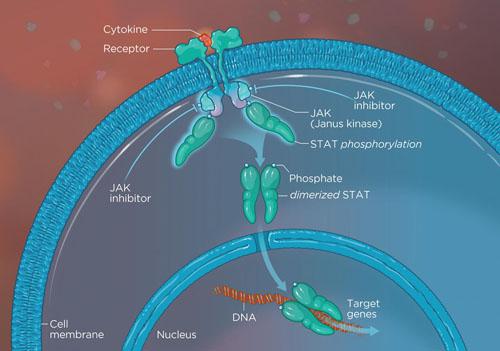
Figure 3 : The JAK-STAT pathway and JAK inhibition.
The Janus kinases are a family of cytoplasmic tyrosine kinases, of which there are four members (JAK1, JAK2, JAK3, and Tyk2). Upon binding to their receptors, cytokines activate JAK enzymes that are associated with the intracellular portion of the cytokine receptor complex. When JAK enzymes are activated, they phosphorylate intracellular domains of the cytokine receptor, creating docking sites for signaling proteins, notably, members of the signal transducer and activator of transcription (STAT) family. Once at the receptor, STATs are phosphorylated by JAKs on a conserved tyrosine residue. The STATs are then released from the receptor and dimerize with one another. These dimers translocate to the nucleus where they bind to specific DNA sequences and induce targeted gene transcription. Therefore, JAK enzymes play a key role in allowing extracellular proteins such as cytokines to transmit signals to the nucleus of target cells to initiate biological responses that may be dysregulated in disease. Janus kinase inhibitors represent an attractive way to intervene and inhibit cytokine pathways that may be dysregulated in disease.
Pfizer Animal Health has developed its own Janus kinase inhibitor, oclacitinib, which is currently being evaluated for the control/treatment of pruritus associated with allergic dermatitis and the control/treatment of atopic dermatitis in dogs. We have been interested in studying the activity of oclacitinib in some of our newer models of pruritus and have demonstrated that oclacitinib can inhibit the production of IL-31 from canine PBMCs and inhibit IL-31–induced pruritus in dogs. We continue to evaluate the role of cytokines in pruritus in the hopes of expanding our understanding of the pathobiology of canine atopic dermatitis and improving our ability to identify promising new approaches for this disease.
References
1. Halliwell R. Revised nomenclature for veterinary allergy. Vet Immunol Immunopathol. 2006;114:207-208.
2. Akdis CA, Akdis M, Bieber T, et al. Diagnosis and treatment of atopic dermatitis in children and adults: European Academy of Allergology and Clinical Immunology/American Academy of Allergy, Asthma and Immunology/PRACTALL Consensus Report. J Allergy Clin Immunol. 2006;118:152-169.
3. Leung DY, Boguniewicz M, Howell MD, et al. New insights into atopic dermatitis. J Clin Invest. 2004;113: 651-657.
4. DeBoer DJ. Canine atopic dermatitis: new targets, new therapies. J Nutr. 2004;134:2056S-2061S.
5. Morar N, Willis-Owen SA, Moffatt MF, et al. The genetics of atopic dermatitis. J Allergy Clin Immunol. 2006;118:24-34; quiz 35-26.
6. Wallengren J. Neuroanatomy and neurophysiology of itch. Dermatol Ther. 2005;18:292-303.
7. Buddenkotte J, Steinhoff M. Pathophysiology and therapy of pruritus in allergic and atopic diseases. Allergy. 2010;65:805-821.
8. Ikoma A, Cevikbas F, Kempkes C, et al. Anatomy and neurophysiology of pruritus. Semin Cutan Med Surg. 2011;30:64-70.
9. Roosterman D, Goerge T, Schneider SW, et al. Neuronal control of skin function: the skin as a neuroimmunoendocrine organ. Physiol Rev. 2006;86:1309-1379.
10. Stander S, Raap U, Weisshaar E, et al. Pathogenesis of pruritus. J Dtsch Dermatol Ges. 2011.
11. Ong PY, Leung DY. Immune dysregulation in atopic dermatitis. Curr Allergy Asthma Rep. 2006;6:384-389.
12. Brandt EB, Sivaprasad U. Th2 cytokines and atopic dermatitis. J Clin Cell Immunol. 2011;2.
13. Carmi-Levy I, Homey B, Soumelis V. A modular view of cytokine networks in atopic dermatitis. Clin Rev Allergy Immunol. 2011;41:245-253.
14. Olivry T, Dean GA, Tompkins MB, et al. Toward a canine model of atopic dermatitis: amplification of cytokine-gene transcripts in the skin of atopic dogs. Exp Dermatol. 1999;8:204-211.
15. Nuttall TJ, Knight PA, McAleese SM, et al. Expression of Th1, Th2 and immunosuppressive cytokine gene transcripts in canine atopic dermatitis. Clin Exp Allergy. 2002;32:789-795.
16. Schlotter YM, Rutten VP, Riemers FM, et al. Lesional skin in atopic dogs shows a mixed Type-1 and Type-2 immune responsiveness. Vet Immunol Immunopathol. 2011;143:20-26.
17. Marsella R, Olivry T, Maeda S. Cellular and cytokine kinetics after epicutaneous allergen challenge (atopy patch testing) with house dust mites in high-IgE beagles. Vet Dermatol. 2006;17:111-120.
18. Oyoshi MK, He R, Kumar L, et al. Cellular and molecular mechanisms in atopic dermatitis. Adv Immunol. 2009;102:135-226.
19. Brown MA, Hural J. Functions of IL-4 and control of its expression. Crit Rev Immunol. 1997;17:1-32.
20. Leonard WJ, O’Shea JJ. Jaks and STATs: biological implications. Annu Rev Immunol. 1998;16:293-322.
21. Gessner A, Mohrs K, Mohrs M. Mast cells, basophils, and eosinophils acquire constitutive IL-4 and IL- 13 transcripts during lineage differentiation that are sufficient for rapid cytokine production. J Immunol. 2005;174:1063-1072.
22. Izuhara K, Arima K, Yasunaga S. IL-4 and IL-13: their pathological roles in allergic diseases and their potential in developing new therapies. Curr Drug Targets Inflamm Allergy. 2002;1:263-269.
23. Wynn TA. IL-13 effector functions. Annu Rev Immunol. 2003;21:425-456.
24. Sonkoly E, Muller A, Lauerma AI, et al. IL-31: a new link between T cells and pruritus in atopic skin inflammation. J Allergy Clin Immunol. 2006;117:411-417.2012 Symposium Proceedings Allergic Skin Disease 35
25. Dillon SR, Sprecher C, Hammond A, et al. Interleukin 31, a cytokine produced by activated T cells, induces dermatitis in mice. Nat Immunol. 2004;5:752-760.
26. Bilsborough J, Leung DY, Maurer M, et al. IL-31 is associated with cutaneous lymphocyte antigen-positive skin homing T cells in patients with atopic dermatitis. J Allergy Clin Immunol. 2006;117:418-425.
27. Raap U, Wieczorek D, Gehring M, et al. Increased levels of serum IL-31 in chronic spontaneous urticaria. Exp Dermatol. 2010;19:464-466.
28. Kim S, Kim HJ, Yang HS, et al. IL-31 Serum protein and tissue mRNA levels in patients with atopic dermatitis. Ann Dermatol. 2011;23:468-473.
29. Ezzat MH, Hasan ZE, Shaheen KY. Serum measurement of interleukin-31 (IL-31) in paediatric atopic dermatitis: elevated levels correlate with severity scoring. J Eur Acad Dermatol Venereol. 2011;25:334-339.
30. Nobbe S, Dziunycz P, Muhleisen B, et al. IL-31 expression by inflammatory cells is preferentially elevated in atopic dermatitis. Acta Derm Venereol. 2012;92:24-28.
31. Diveu C, Lelievre E, Perret D, et al. GPL, a novel cytokine receptor related to GP130 and leukemia inhibitory factor receptor. J Biol Chem. 2003;278:49850-49859.
32. Zhang Q, Putheti P, Zhou Q, et al. Structures and biological functions of IL-31 and IL-31 receptors. Cytokine Growth Factor Rev. 2008;19:347-356.
33. Cheung PF, Wong CK, Ho AW, et al. Activation of human eosinophils and epidermal keratinocytes by Th2 cytokine IL-31: implication for the immunopathogenesis of atopic dermatitis. Int Immunol. 2010;22:453-467.
34. Bando T, Morikawa Y, Komori T, et al. Complete overlap of interleukin-31 receptor A and oncostatin M receptor beta in the adult dorsal root ganglia with distinct developmental expression patterns. Neuroscience. 2006;142:1263-1271.
35. Aaronson DS, Horvath CM. A road map for those who don’t know JAK-STAT. Science. 2002;296:1653-1655.
36. Thatcher JD. The Ras-MAPK signal transduction pathway. Sci Signal. 2010;3:tr1.
37. Cantley LC. The phosphoinositide 3-kinase pathway. Science. 2002;296:1655-1657.
38. Baker RG, Hayden MS, Ghosh S. NF-kappaB, inflammation, and metabolic disease. Cell Metab. 2011;13: 11-22.
39. Serfling E, Berberich-Siebelt F, Chuvpilo S, et al. The role of NF-AT transcription factors in T cell activation and differentiation. Biochim Biophys Acta. 2000;1498:1-18.
40. Kisseleva T, Bhattacharya S, Braunstein J, et al. Signaling through the JAK/STAT pathway, recent advances and future challenges. Gene. 2002;285:1-24.
